What Industrial Teams Actually Need From Operational Dashboards

Development

- 12 May, 2026
- 551 Views
- 0 Comment
If Your Operation Is Generating $1M+, You Can’t Afford to Fly Blind
Real-time monitoring, AI-driven analytics, and intelligent dashboards aren’t optional upgrades — they’re the infrastructure that separates growing industrial operations from stagnant ones
Industrial operations that cross the $1M revenue threshold enter a new tier of complexity — one where manual oversight, delayed reporting, and disconnected data sources become serious liabilities. This article breaks down how real-time monitoring, operational dashboards, and AI-driven intelligence work together to protect uptime, reduce risk, and unlock smarter decisions at scale
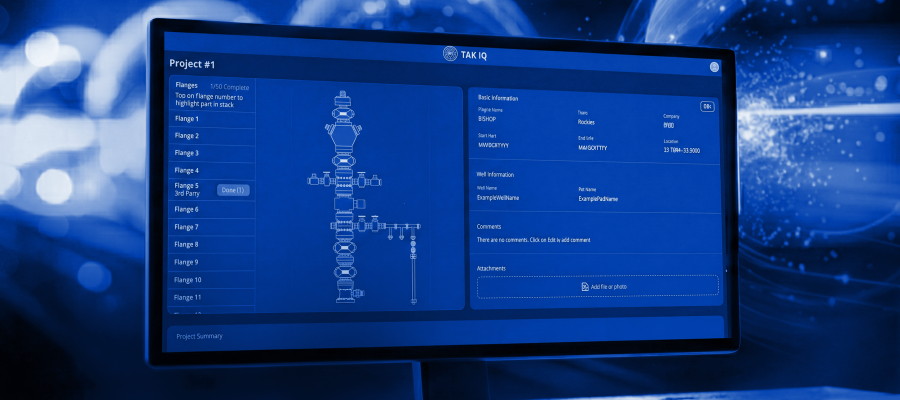
1. Real-time visibility: knowing what’s happening before it becomes a problem
Most industrial operations above $1M are still running on a combination of manual rounds, periodic reports, and gut instinct. That approach worked at smaller scale — but it doesn’t scale well. As your asset base grows, so does the surface area for failure. What you can’t see, you can’t manage.
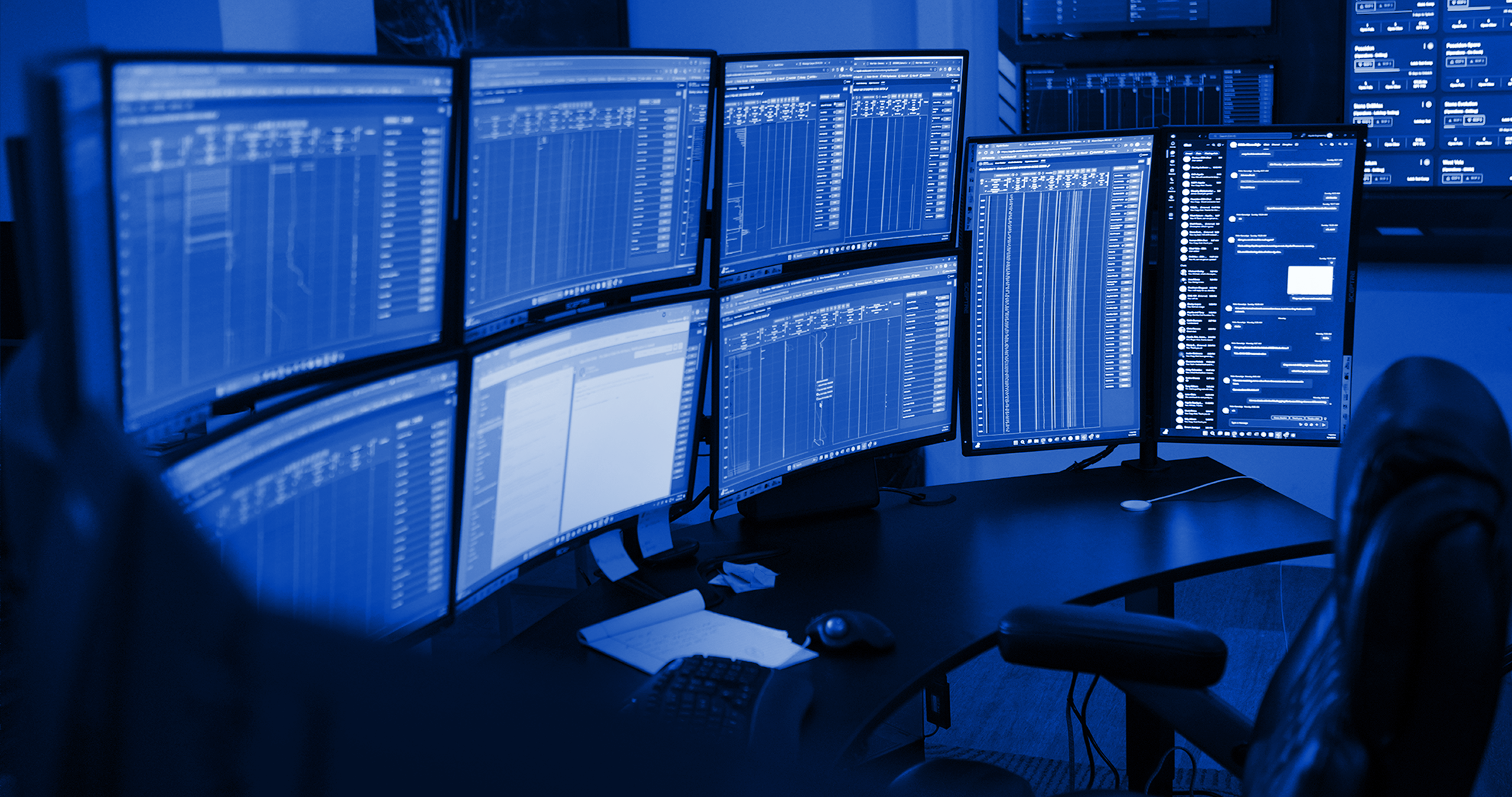
Real-time operational visibility changes that equation. With the right systems in place, your team has a live picture of every critical asset, process, and KPI — not data from last night’s report, but what’s happening right now.
- Live operational dashboards that consolidate data from historians, sensors, and control systems — including Aveva PI and similar environments — into a single pane of glass
- Configurable KPIs aligned to what actually matters: uptime, throughput, pressure, temperature, cycle time, and compliance status
- Automated alerting that notifies the right people the moment a value crosses a threshold — before it becomes a failure event
- Shift-by-shift performance tracking that gives supervisors and reliability leads context, not just numbers
The Aquila Approach: We build operational dashboards engineered from the process up — not generic BI tools bolted onto industrial data. Our systems are designed for the people who run operations, not just the people who analyze them.

2. AI-driven intelligence: from reactive maintenance to predictive performance
The moment an operation reaches meaningful scale, the cost of being reactive — waiting for something to break before fixing it — compounds rapidly. A single unplanned shutdown in oil and gas, manufacturing, or heavy industry can wipe out weeks of margin. AI changes the model entirely.
Industrial AI, built on real operational data, gives your reliability and maintenance teams early warning capability they’ve never had before. Instead of responding to failures, they’re preventing them.
- Predictive maintenance modelsthat learn from your asset data and flag anomalies before they escalate — reducing emergency callouts and extending equipment life
- Anomaly detectionthat surfaces subtle deviations in performance patterns that no human would catch in a sea of live sensor data
- AI-automated reportingthat replaces hours of manual data compilation with instant, accurate operational summaries — freeing engineers to solve problems, not format spreadsheets
- Early-warning indicatorsintegrated directly into your operational dashboards so teams can act on intelligence, not just observe it
This isn’t AI for the sake of AI. It’s operational intelligence built on the same reliability engineering principles that Aquila has applied to industrial environments for years — just made smarter, faster, and scalable.
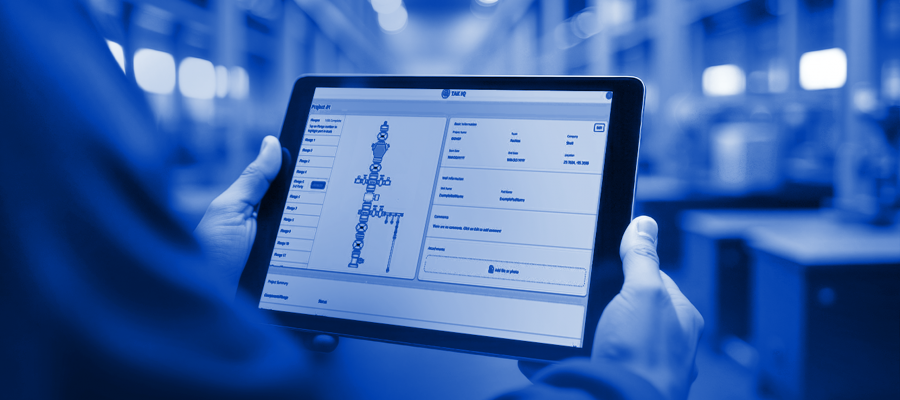
3.Industrial-grade dashboards: the decision layer your operation needs
There’s a significant difference between a dashboard that displays data and one that drives decisions. The industrial environments we work in — oil and gas, manufacturing, ports, heavy construction — don’t need prettier charts. They need systems that tell the right person the right thing at the right time, in a format built for how operations actually work.
That means dashboards designed not for the boardroom presentation, but for the control room, the maintenance planner’s desk, and the reliability engineer on a late shift:
- Role-based views so an operations manager, a reliability lead, and a compliance officer each see what’s relevant to them — without drowning in noise
- Deep integration with existing historian systems and data sources, including Aveva PI environments, so there’s no data left stranded in silos
- Mobile-ready interfaces that bring live operational intelligence to the field, not just the office
- Audit-ready compliance tracking built into the same interface, removing the manual effort of HSE reporting
Industrial-grade systems ensure that every stakeholder operates with the same validated data. When a field team validates a real-time action or an executive evaluates a strategic pivot, they do so with decision confidence. By anchoring digital solutions in engineering truth, organizations foster a culture of transparency, accountability, and measurable performance.
When your dashboards are engineered as decision infrastructure — not just reporting tools — the downstream effect on operational performance is measurable. Faster decisions. Fewer escalations. Better outcomes.

Engineering the Future of Operations
We are entering a new era of industrial performance—one where digital twins, simulation, and AI-driven insights form the backbone of the enterprise. Transformation is no longer optional for those managing complex assets; it is the primary driver of competitive advantage.
At Aquila Digital, we don’t just build software. We build the industrial-grade systems that power real-world operations. We transform data into intelligence, and intelligence into uptime.
From data to decisions—faster, safer, smarter operations.